Why Use a Mobile Mechanic for Vehicle Servicing and Minor Repairs
Vehicle servicing is an important part of maintaining reliability, performance, and roadworthiness. However, arranging a workshop appointment can sometimes be inconvenient, particularly when drivers have busy schedules or when a vehicle has developed a problem that makes travelling to a garage difficult.
A mobile mechanic provides an alternative by carrying out suitable servicing, inspections, diagnostics, and minor repairs at the vehicle's location. For drivers in Newcastle, this can mean arranging work at home, at a workplace, or at another suitable location rather than organising transport to and from a traditional workshop.
On-site assistance can be particularly useful for motorists managing several vehicles, van owners who depend on their vehicles for work, or anyone who wants routine maintenance completed with less disruption. While certain complex jobs still require workshop equipment, many everyday maintenance and repair tasks can be completed safely at the vehicle's location.
Understanding what can be handled on-site, how appointments work, and when workshop facilities may still be required can help vehicle owners choose the most appropriate approach.
Convenient Vehicle Servicing at Your Location
One of the main advantages of on-site vehicle maintenance is convenience. Traditional servicing normally requires drivers to arrange an appointment, travel to the workshop, leave the vehicle and organise transport while the work is completed. For people with demanding work or family commitments, this process can take a considerable amount of time.
Searching for a mobile mechanic near me can provide an alternative for Newcastle drivers who would prefer suitable maintenance to be carried out where their vehicle is already parked. This may be a driveway, workplace car park, business premises or another safe location where sufficient working space is available.
Routine servicing may involve checking engine oil, filters, fluid levels, brakes, batteries and other important components. The exact work required depends on the vehicle, its age, mileage, condition and recommended maintenance schedule.
Having these checks completed at a convenient location can make routine maintenance easier to organise. Instead of setting aside a significant part of the day for travelling and waiting, motorists can often continue with other activities while the vehicle receives attention.
This approach can also be useful for households with more than one vehicle. Coordinating several workshop visits can become complicated, especially when different vehicles are due for servicing at similar times. Where appropriate, on-site appointments can simplify the process and reduce the amount of travelling required.
Business vehicle owners may experience similar benefits. Vans and other working vehicles often need to remain available as much as possible. Arranging maintenance at business premises can reduce unnecessary journeys and make it easier to plan work around quieter periods.
Before an appointment, providing accurate information about the vehicle and the work required is important. Details such as the make, model, registration, mileage and any symptoms noticed can help determine what equipment or parts may be required.
The working location also needs to be suitable. A reasonably level and safe area with enough space around the vehicle generally provides better conditions for completing maintenance efficiently.
For Newcastle motorists, this flexible approach can make routine vehicle care easier to incorporate into everyday schedules without overlooking important maintenance.
Minor Repairs That Can Often Be Completed On-Site
Not every vehicle fault requires extensive workshop facilities. Many common mechanical problems can be assessed and, where appropriate, repaired at the vehicle's location.
A mobile car repair appointment can be particularly practical when the vehicle remains safely parked but requires attention before it should be driven again.
Common examples of suitable on-site work can include:
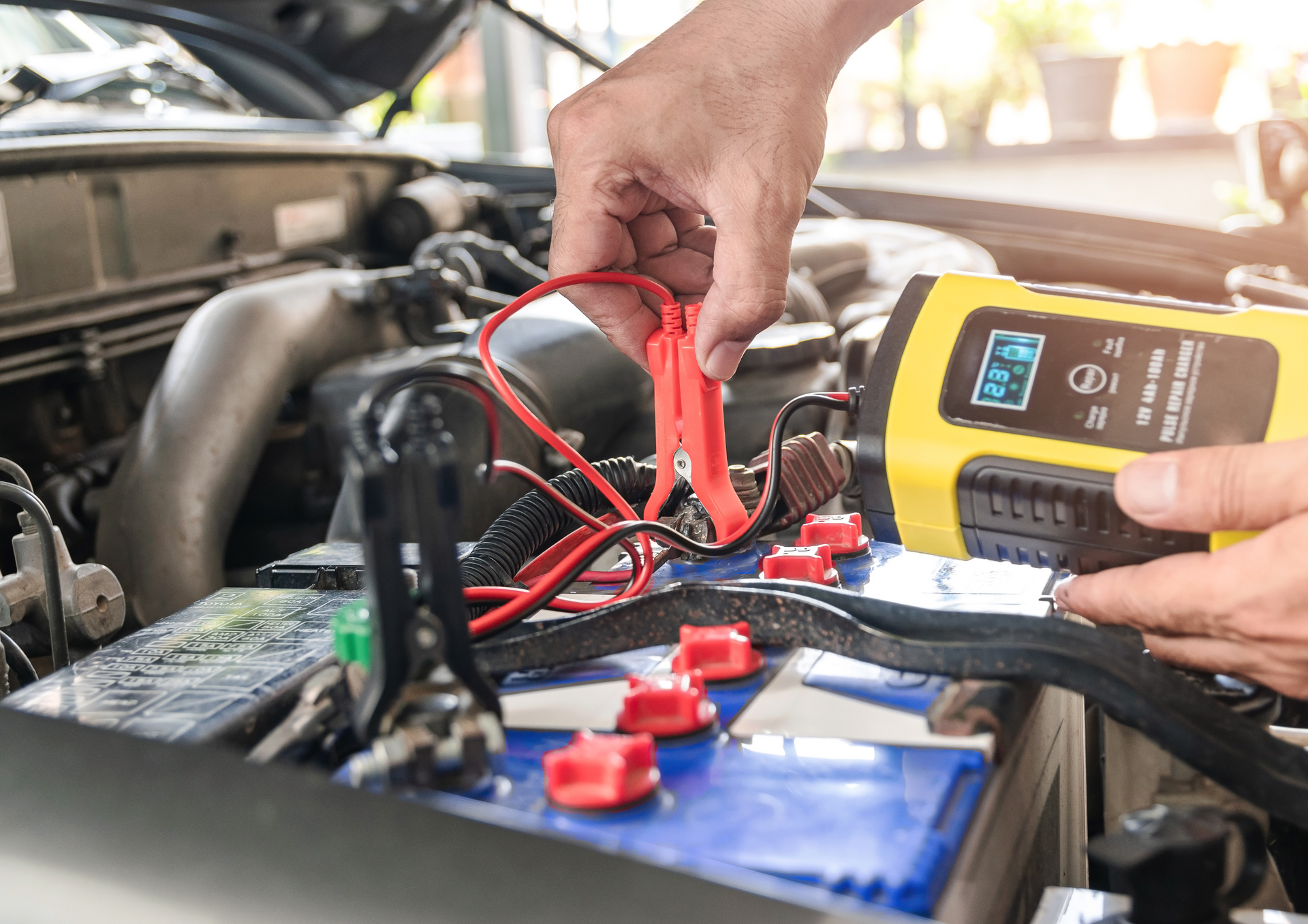
- Replacing worn batteries when testing confirms replacement is necessary.
- Changing certain bulbs, fuses and accessible electrical components.
- Replacing filters as part of scheduled maintenance.
- Investigating unusual warning lights using diagnostic equipment.
- Checking and replacing accessible hoses where appropriate.
- Inspecting braking components for signs of wear.
- Investigating starting difficulties and common electrical faults.
- Checking fluid levels and identifying visible leaks.
- Replacing selected sensors or accessible components.
- Carrying out basic maintenance recommended for the vehicle.
The suitability of each repair depends on the vehicle and the nature of the fault. Access to components can differ significantly between models, and some repairs require specialist lifting equipment, controlled workshop conditions or more extensive dismantling.
An initial assessment therefore plays an important role. Rather than assuming that a particular component needs replacing, the cause of the problem should first be identified. A warning light, for example, can have several possible causes, while difficulty starting could relate to the battery, charging system, starter motor or another electrical issue.
Correct diagnosis helps avoid unnecessary replacement of parts and allows the appropriate repair plan to be discussed before further work is undertaken.
Weather and parking conditions can also affect whether work can be completed safely. Adequate space and a suitable surface are important, particularly where access underneath or around the vehicle is required.
For many everyday problems, however, bringing suitable equipment directly to the vehicle provides a practical way to complete repairs without automatically arranging a workshop visit.
Supporting Preventative Maintenance and Vehicle Reliability
Vehicle maintenance is most effective when problems are addressed before they develop into larger faults. Regular checks can reveal wear, deterioration and performance changes that may otherwise remain unnoticed until the vehicle becomes unreliable.
Professional mobile auto repair can support preventative maintenance by allowing suitable inspections and repairs to be arranged conveniently rather than postponing them because visiting a workshop is difficult.
Preventative maintenance may include monitoring fluid condition, checking visible hoses and belts, assessing battery performance and examining components that naturally wear with use. These checks are particularly useful for vehicles covering high annual mileages or operating regularly in demanding conditions.
Small changes in vehicle behaviour can provide useful early warnings. Unusual noises, slower starting, changes in braking response, warning lights or reduced performance should not simply be ignored. Investigating these symptoms early can help identify whether routine maintenance or a specific repair is required.
Drivers should also pay attention to the manufacturer's recommended servicing intervals. These are generally based on mileage, time or a combination of both. Following an appropriate schedule helps maintain important mechanical systems and provides regular opportunities to identify developing concerns.
Preventative maintenance is equally relevant to vans and other working vehicles. A vehicle used daily for business can accumulate mileage quickly, increasing the importance of regular checks. Unexpected downtime may disrupt appointments, deliveries or other planned work, so identifying problems earlier can make maintenance easier to schedule.
Older vehicles can benefit from careful monitoring as well. Components naturally deteriorate with age and use, meaning additional attention may be required even when the vehicle appears to be operating normally.
The objective is not to replace parts unnecessarily but to understand the condition of the vehicle and address genuine maintenance requirements at an appropriate stage. Regular assessment provides motorists with clearer information when deciding what work should be prioritised.
For Newcastle drivers, arranging preventative checks at a convenient location can make it easier to maintain a consistent maintenance routine throughout the year.
What to Expect from Routine On-Site Servicing
Routine servicing allows important vehicle components and fluids to be checked at appropriate intervals. The exact work varies depending on the vehicle, mileage and servicing requirements.
A mobile car service can include a selection of maintenance tasks carried out at the vehicle's location, provided the environment is suitable for the work involved.
Typical servicing considerations include:
- Checking engine oil condition and replacing it when required.
- Replacing the oil filter as part of the appropriate service schedule.
- Inspecting air filters and other serviceable filters.
- Checking coolant and other important fluid levels.
- Examining visible belts and hoses for deterioration.
- Assessing battery condition and electrical connections.
- Inspecting accessible braking components for wear.
- Checking exterior lights and basic electrical functions.
- Looking for visible leaks or signs of developing mechanical problems.
- Reviewing any concerns or symptoms reported by the driver.
The vehicle's service requirements should always guide the work rather than applying exactly the same checklist to every car or van. Different engines, manufacturers and models can have different maintenance schedules and component specifications.
Accurate vehicle information is therefore useful when arranging an appointment. Supplying the registration and details about mileage or previous maintenance can help identify suitable parts and servicing requirements.
Drivers should also mention any problems they have recently noticed. A routine appointment can provide an opportunity to investigate unusual noises, warning lights, starting difficulties or changes in performance.
If an inspection reveals a problem requiring additional work, the findings can be explained before deciding on the next step. Some repairs may be suitable for completion at the same location, while others may require additional parts or workshop equipment.
Regular servicing should form part of a broader approach to vehicle care. Drivers should continue monitoring tyre pressure, fluid levels, warning lights and general vehicle behaviour between scheduled appointments.
For motorists who find conventional workshop appointments difficult to arrange, bringing suitable servicing directly to the vehicle can provide a straightforward alternative.
Knowing When On-Site Repairs Are Appropriate
Mobile vehicle maintenance offers considerable flexibility, but it is also important to recognise that not every mechanical job is suitable for completion outside a fully equipped workshop.
An experienced mobile mechanic can assess the problem and determine whether the required work can reasonably be completed at the vehicle's location. Factors such as safety, available space, equipment requirements, weather conditions and the complexity of the repair all need to be considered.
Straightforward servicing, diagnostics and minor component replacement can often be suitable for on-site work. More extensive repairs involving major dismantling, specialist machinery or substantial access underneath the vehicle may be better suited to a workshop.
The condition of the vehicle is another consideration. If a serious fault is suspected, continuing to drive simply to reach a garage may not be appropriate. Having the vehicle assessed while it remains parked can provide useful information about the safest next step.
Parking arrangements matter as well. Busy roads, steep surfaces, restricted spaces or locations where safe working access cannot be maintained may not be suitable. A driveway, private parking area or spacious workplace car park will often provide better conditions.
Drivers can help by describing the symptoms accurately when arranging an appointment. Explaining when the problem started, whether warning lights are displayed and whether the vehicle can start or move can help with initial planning.
On-site assistance should therefore be viewed as a practical option rather than a replacement for every type of workshop repair. The most appropriate setting depends on the particular vehicle and the work required.
For drivers, van owners and other motorists throughout Newcastle, having this additional choice can make everyday maintenance and minor repairs considerably easier to organise.
On-site vehicle servicing provides a practical alternative for drivers who want to maintain their vehicles without routinely travelling to a workshop. Many everyday servicing tasks, diagnostic checks and minor repairs can be completed where the vehicle is parked, provided the location and type of work are suitable.
This approach can reduce unnecessary travel, make appointments easier to fit around work or family commitments and encourage motorists to address smaller problems before they become more disruptive. It can be particularly useful for busy households, business vehicle operators and drivers whose vehicles are difficult or inconvenient to move.
Regular servicing remains essential regardless of where the work takes place. Paying attention to warning signs, following appropriate maintenance intervals and arranging professional assessment when something changes can help maintain reliability and support safer everyday driving.
Mobile Mechanic Newcastle provides practical on-site vehicle servicing and minor repair support throughout the local area. Our approach focuses on careful assessment, clear communication and appropriate vehicle care for motorists across Newcastle.
Choosing a mobile mechanic allows suitable maintenance to be completed where your vehicle is located, helping reduce unnecessary journeys and disruption to your day.
Check out our latest X update on why using a
mobile mechanic can be a practical choice for vehicle servicing and minor repairs!
You might also like