Choosing a Local Mobile Mechanic for Convenient Car Repairs Today
For many drivers, dealing with a vehicle fault involves more than arranging the repair itself. Finding time to visit a garage, organising alternative transport, and working around appointment availability can make even relatively straightforward maintenance inconvenient. This is particularly relevant for people who depend on their cars or vans for commuting, family responsibilities, or work.
A local mobile mechanic provides an alternative by bringing mechanical support directly to the vehicle. Depending on the type of fault and the conditions at the location, diagnostics, servicing, maintenance, and a variety of repairs can be completed at a home, workplace, or another suitable location.
For drivers in Newcastle upon Tyne, this approach can be particularly useful when a vehicle develops a problem while parked on a driveway or at work. The same principles apply elsewhere in the UK, making mobile assistance a practical option for motorists looking for greater flexibility when maintaining their vehicles.
Understanding How Local Mobile Repairs Work
Mobile vehicle repairs are designed around bringing suitable tools, diagnostic equipment, and mechanical knowledge to the vehicle rather than requiring the vehicle to be taken immediately to a workshop. This can make arranging routine maintenance or investigating an unexpected problem considerably simpler.
Before attending, the mechanic will usually need basic information about the vehicle and the symptoms being experienced. Details such as the make, model, engine type, warning lights, unusual noises, or starting problems can help determine what equipment or replacement components may be required.
Once at the vehicle, an initial assessment can establish the likely cause of the problem. Depending on what is found, the work may be completed at the location or the driver may be advised that additional equipment or workshop facilities are necessary.
People searching for local mobile mechanics near me may be dealing with anything from a vehicle that will not start to a maintenance task they would simply prefer to have completed at home. The suitability of mobile work depends on the repair, available working space, weather conditions, and safe access around the vehicle.
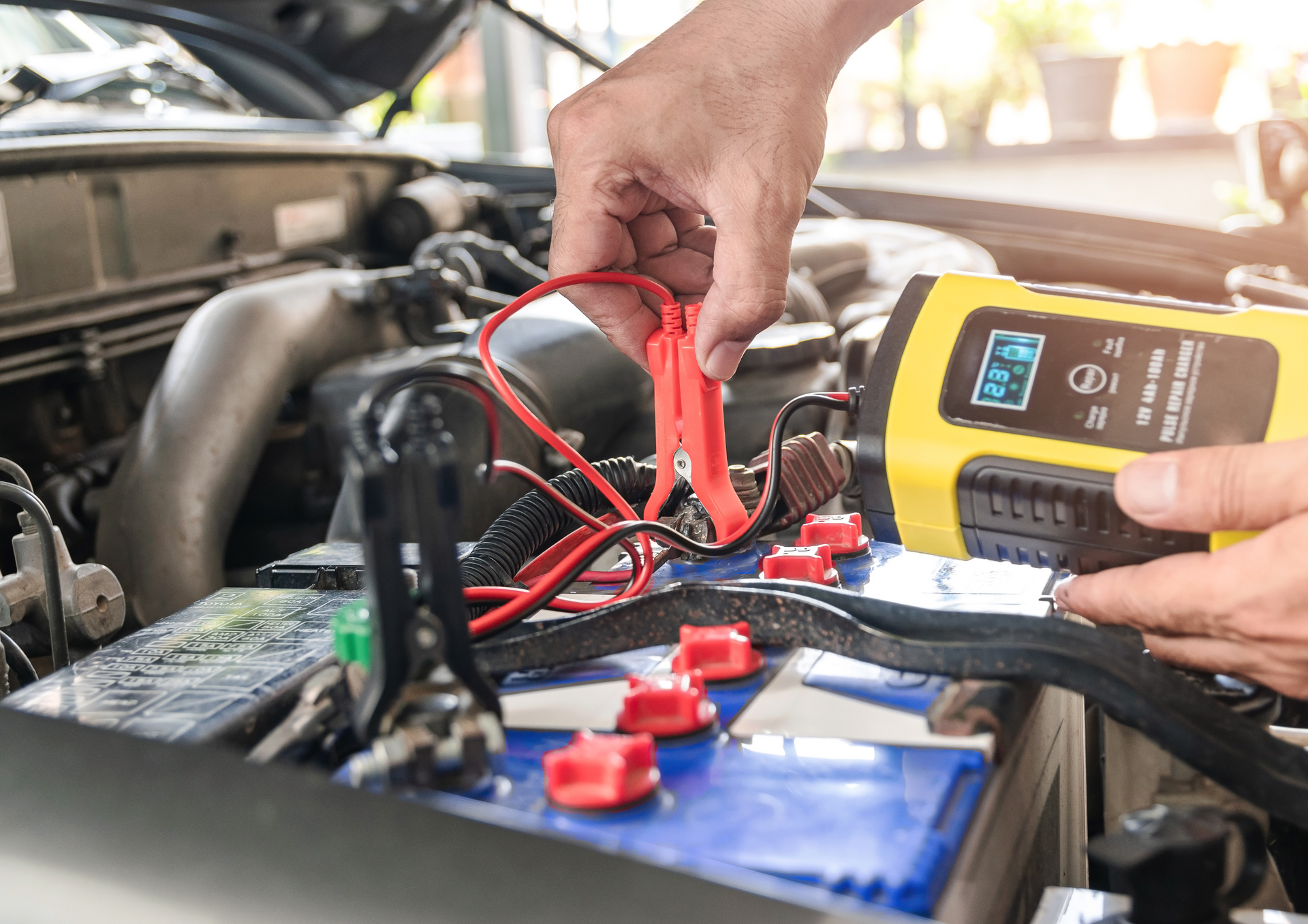
Many routine jobs are well suited to this type of service. Battery testing and replacement, starter motor investigations, alternator checks, brake inspections, oil and filter changes, diagnostic scans, and some component replacements may all be possible without moving the vehicle.
The approach can be particularly convenient for households with more than one vehicle. Rather than arranging separate journeys to a garage, maintenance can potentially be organised around the vehicles while they are already parked at the property.
For motorists in Newcastle upon Tyne, where vehicles may be parked on driveways, residential streets, business premises, or workplace car parks, having the condition of the location assessed beforehand can help determine whether the proposed work can be completed safely.
Why Drivers Choose Mobile Assistance
Convenience is one of the main reasons drivers consider mobile vehicle maintenance. Traditional garage appointments may require leaving a vehicle for several hours or arranging transport while work is being completed. Bringing mechanical support to the vehicle can remove many of these additional arrangements.
A mobile mechanic local to the area may also be familiar with the practical challenges associated with reaching residential streets, commercial premises, and other commonly used parking locations. However, the most important consideration should remain whether the mechanic can safely and appropriately complete the required work.
Some of the practical advantages include:
- Reduced travel: The vehicle does not need to be driven to a workshop when the required work can be completed where it is parked.
- Flexible locations: Suitable repairs may be carried out at a home, workplace, or another safe location with sufficient access.
- Less disruption: Drivers can often continue with other responsibilities while their vehicle is being inspected or maintained.
- Useful for non-starting vehicles: Initial diagnostics can be particularly valuable when a vehicle cannot be driven because of battery, starter, or electrical problems.
- Direct communication: Drivers can discuss symptoms and findings with the person examining the vehicle.
- Practical maintenance planning: Routine jobs can be arranged around work, family commitments, or vehicle availability.
These benefits can apply to individual motorists as well as households and businesses managing several vehicles. The objective is not necessarily to replace every workshop visit, but to provide another practical option when the work is suitable for an on-site environment.
Repairs and Maintenance That May Be Completed On-Site
The range of work that can be completed away from a workshop has expanded as portable diagnostic equipment and mobile tools have improved. Nevertheless, every vehicle and repair should be considered individually rather than assuming all mechanical work can be performed at the roadside or on a driveway.
Routine servicing is one common example. Oil and filter changes, fluid checks, battery assessments, and general visual inspections can often be completed without specialist workshop infrastructure. These tasks can help motorists maintain their vehicles according to appropriate service intervals while reducing the inconvenience associated with travelling elsewhere.
Brake work may also be suitable where there is level ground, sufficient working space, and safe access. Pads, discs, and related components can be inspected for wear, allowing the driver to understand whether replacement is required. If work is carried out, appropriate checks should be completed before the vehicle returns to normal use.
Diagnostic investigations are another important part of mobile mechanical work. Modern vehicles contain electronic control systems that can record fault information when problems occur. Portable diagnostic equipment can help identify affected systems, although a fault code should be considered alongside physical checks and the symptoms reported by the driver.
A local call out mechanic can also assess common non-starting problems. A vehicle that fails to start does not automatically have a failed battery; alternator output, starter motor operation, electrical connections, and other components may need to be considered. Testing helps avoid replacing parts unnecessarily.
Suspension components, belts, sensors, filters, and some cooling-system parts may also be suitable for location-based work depending on vehicle design. Accessibility varies significantly between models, so a task that is straightforward on one vehicle may require additional facilities on another.
This distinction is important for motorists. Mobile repairs are most useful when the work can be performed safely and properly with portable equipment. Where specialist lifting equipment, extensive dismantling, or controlled workshop conditions are necessary, moving the vehicle to an appropriate facility may be the better course of action.
What to Consider Before Booking a Call-Out
Providing accurate information before arranging an appointment can make the visit more efficient. When contacting a local mobile mechanic, drivers do not need to diagnose the problem themselves, but clearly describing what happened and when the symptoms started can provide useful context.
Before arranging assistance, consider:
- Vehicle details: Have the make, model, year, engine type, and registration details available where appropriate.
- Symptoms: Explain whether the vehicle struggles to start, loses power, makes unusual noises, displays warning lights, or behaves differently while driving.
- Location: Confirm where the vehicle is parked and whether there is sufficient space around it for mechanical work.
- Access restrictions: Mention underground parking, height restrictions, controlled entrances, narrow driveways, or other potential obstacles.
- Ground conditions: A firm and reasonably level surface may be necessary for work involving wheel removal or access beneath parts of the vehicle.
- Recent repairs: Information about recent servicing or replacement components can help with the diagnostic process.
- Timing: Explain whether the vehicle is required urgently or whether the work can be scheduled around other commitments.
Good communication before the visit helps establish what can realistically be done on-site. It can also reduce delays caused by unsuitable access or missing information.
Drivers should also avoid continuing to use a vehicle when there are signs that doing so could cause further damage or affect safe operation. Significant braking changes, severe overheating, major fluid loss, or unusual mechanical noises warrant careful assessment before further travel.
Choosing the Right Service for Your Vehicle
Selecting mobile assistance should involve more than choosing the nearest available option. Drivers should consider whether the service is suitable for their particular vehicle, the type of fault involved, and the location where the work needs to take place.
A local mobile mechanic should be able to explain what can reasonably be assessed or repaired on-site. Clear communication is particularly important where an initial diagnostic visit may reveal that further work is required. Drivers should understand what has been identified and what the recommended next step involves.
It is also useful to describe the vehicle accurately when making an enquiry. Cars, vans, diesel vehicles, and light commercial vehicles can have different mechanical arrangements, component accessibility, and maintenance requirements. Providing these details early helps determine whether the requested work is suitable for a mobile appointment.
For people who use their vehicles for work, timing may be another important consideration. Tradespeople, delivery drivers, commuters, and businesses can experience significant disruption when a vehicle is unavailable. Arranging an assessment where the vehicle is already parked may help shorten the period before the cause of the problem is understood.
Location should also be considered carefully. A spacious driveway may provide suitable conditions for work that would not be appropriate on a narrow or heavily trafficked road. Similarly, some private car parks have rules governing vehicle maintenance. Establishing these details beforehand helps avoid problems once the mechanic arrives.
Price should be understood in relation to the work involved rather than considered in isolation. Diagnostic time, replacement components, accessibility, and the complexity of the repair can all influence the overall cost. Asking for a clear explanation of the proposed work can make it easier to understand what is being provided.
Ultimately, the right service should combine convenience with an appropriate approach to diagnosis and repair. Mobile assistance is valuable because it brings mechanical support to the driver, but each job still needs to be assessed according to the vehicle, fault, and working conditions.
Mobile vehicle maintenance offers motorists another way to manage repairs without automatically arranging a traditional garage visit. For many routine servicing tasks, diagnostic investigations, electrical faults, brake concerns, and component replacements, bringing mechanical assistance to the vehicle can reduce travel and make maintenance easier to organise.
This approach can be particularly practical when a vehicle will not start, when driving it may be unsuitable, or when work and family commitments make garage appointments difficult. An initial assessment can establish what is wrong and whether the necessary work can be completed safely at the location.
For drivers in Newcastle upon Tyne, mobile assistance can accommodate many situations encountered in residential and working environments throughout the city. The same approach remains relevant elsewhere in the UK: understand the symptoms, provide accurate vehicle and location details, and ensure the proposed repair is appropriate for mobile working conditions.
Preventative maintenance should remain part of the process as well. Regular checks and timely attention to developing symptoms can help motorists identify wear before it causes greater disruption. Combined with convenient on-site support, this provides a practical way to manage vehicle reliability throughout the year.
Mobile Mechanic Newcastle provides practical on-site support for drivers who can arrange vehicle maintenance and repairs around their location and daily commitments. We understand that taking a car or van to a workshop is not always convenient, particularly when the vehicle will not start or when motorists have limited time available.
Our approach begins with understanding the vehicle, the symptoms being experienced, and the conditions where it is parked. This allows us to consider whether diagnostics, maintenance, or the required repair can be completed appropriately on-site.
We focus on straightforward communication so drivers understand what has been identified and what work may be required. From routine maintenance and electrical investigations to common mechanical repairs, our aim is to provide dependable assistance without adding unnecessary complications to the process.
For motorists throughout Newcastle upon Tyne, we offer a convenient way to arrange vehicle support while keeping disruption to work, travel, and everyday responsibilities to a minimum.
Check out our latest X update on the benefits of choosing a
local mobile mechanic for convenient car repairs today!
You might also like